Seismology
12 posts 2010–2016All posts
2016
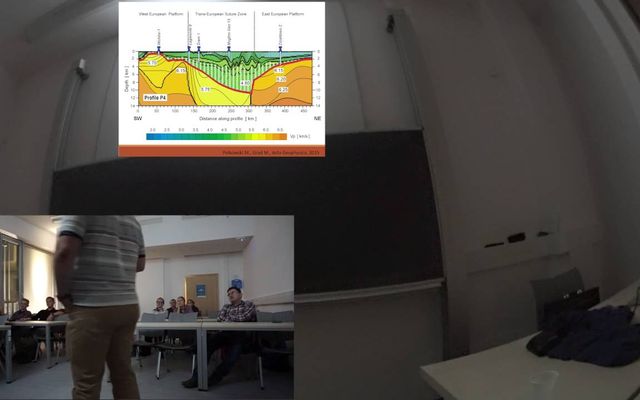
Lecture “3D seismic studies of Poland”
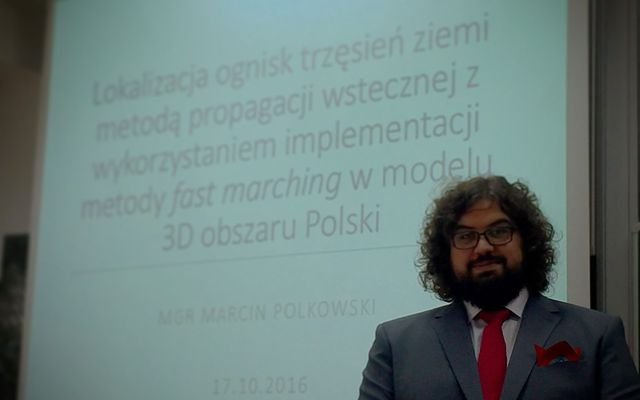
Even before defending my PhD, I was asked to give a lecture on the subject of my doctoral thesis for the student geophysics society at the Faculty of Physics, University of Warsaw.
How I became a PhD on Monday
On Monday, October 17, I defended my doctoral thesis at the Faculty of Physics of the University of Warsaw. It is titled "Locating earthquake hypocenters by back-propagation using an implementation of the fast marching…
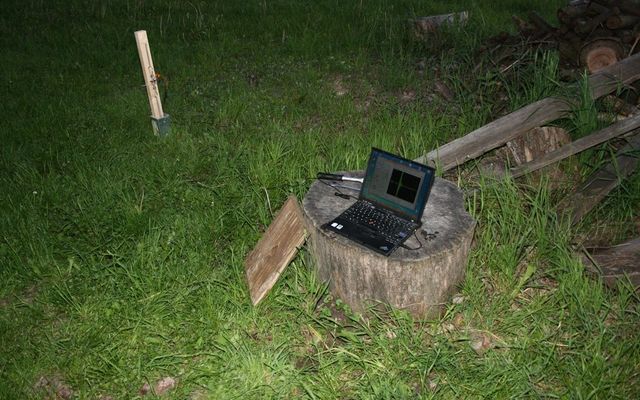
A sound card as an A/D converter for a seismograph
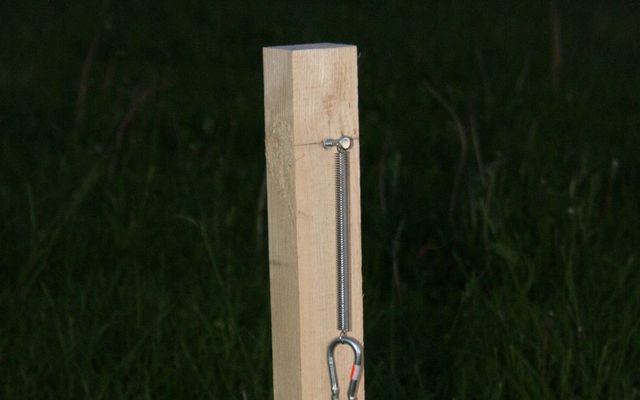
A reader asked about my homemade seismic sensor. My answer: where its signal comes from, and how to record it with a computer sound card.
2011
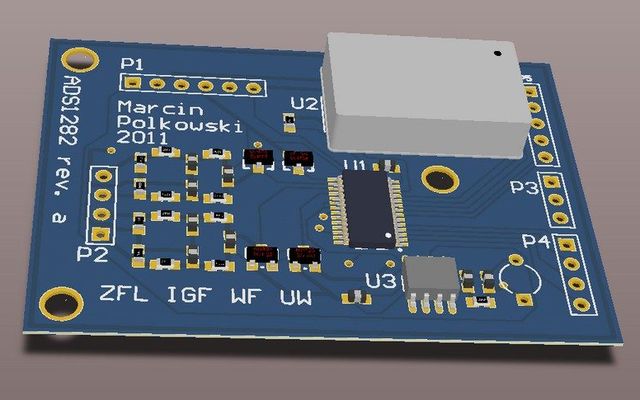
A seismic recorder
I've already touched on recording seismic waves when I built and presented a vibration sensor – a geophone. Back then I used the microphone input of a computer sound card as the recorder. Unfortunately, a recorder like…
2010
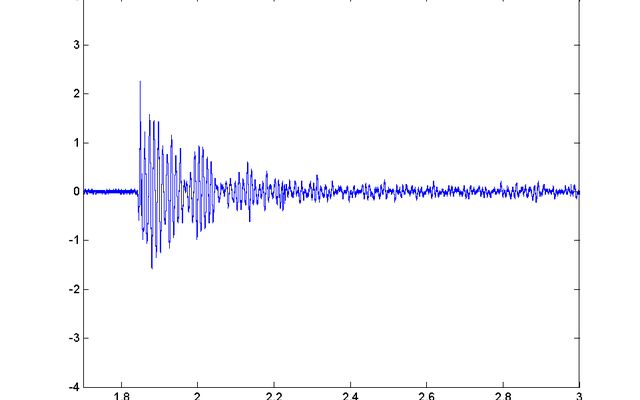
Homemade seismograph – first recordings
I really wanted to connect two identical sensors to the computer, but that turned out to be impossible, because the laptop has a mono microphone input. For this purpose I bought an external Creative USB sound card with…
Homemade seismograph – step two
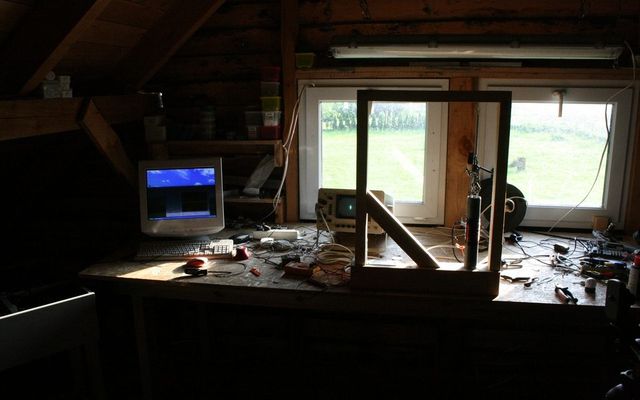
Yesterday I managed to build a prototype capable of recording strong, local tremors. Today I made a few modifications.
A homemade seismograph – first attempt
I've probably mentioned before that I'm interested in seismology. Since there's a fair bit of equipment standing between seismic activity and studying it, it's worth getting to know what works and how. Unfortunately,…
What to do during an earthquake
Poland lies in an area of negligible seismic activity. This means the probability of tremors strong enough to be felt is negligible. Negligible, but not zero. Last week's earthquake was very strong by Polish standards,…
Haiti earthquake travel-time curve for the whole Earth
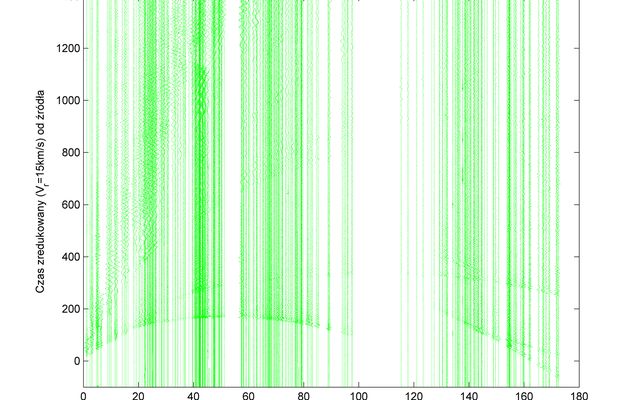
Following up on yesterday's post, where I showed a travel-time curve for the Haiti earthquake made from US Array recordings, today I'd like to show the same kind of travel-time curve, but made from recordings from all…
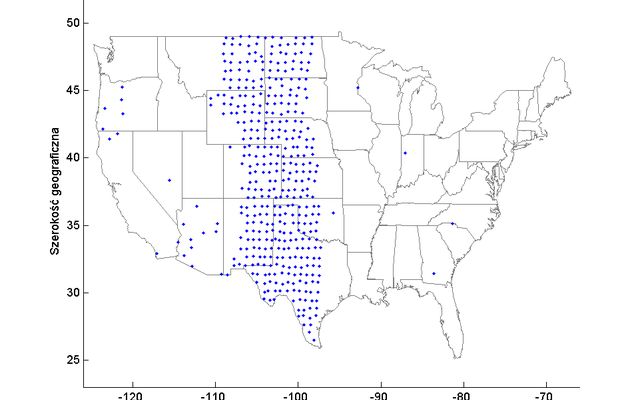
The Haiti earthquake seen by the US Array network
I think everyone has heard about the earthquake in Haiti that struck on Tuesday, January 12, 2010. It was a strong, shallow event, so it was well recorded by seismic stations around the world. As it happens, the United…
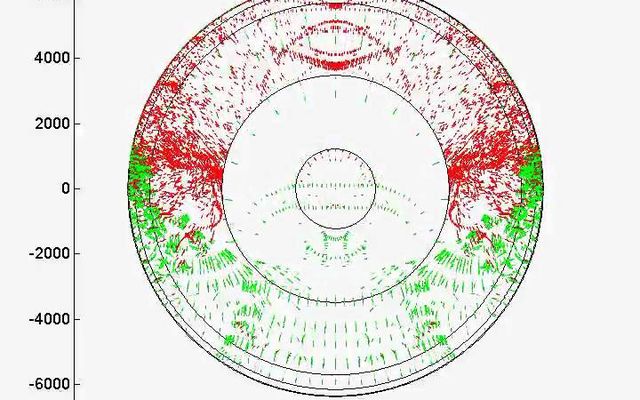
Seismic wave propagation in a one-dimensional model – part 2
Since the last post I've managed to improve two aspects of the modeling. I added P- and S-wave attenuation following the PREM model, and I sped up the computations by using multithreading in Matlab.
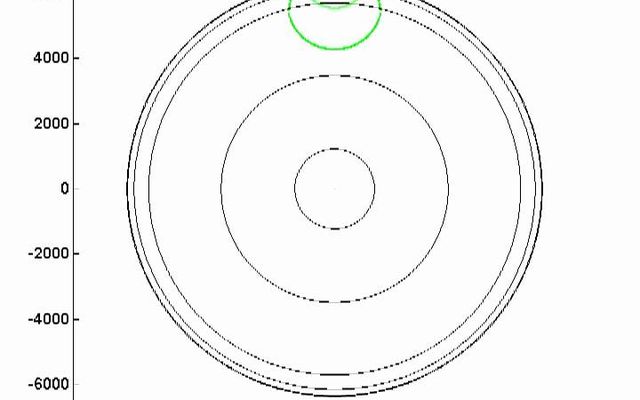
Seismic wave propagation in a one-dimensional model – part 1
Some people are surprised that you can study geophysics at the Faculty of Physics of the University of Warsaw, since it's more geo than physics. It turns out there are two kinds of geophysics: geophysics and geophysics.…